Trump Watch 2025: The Systematic Rollback of LGBTQ+ Rights in America
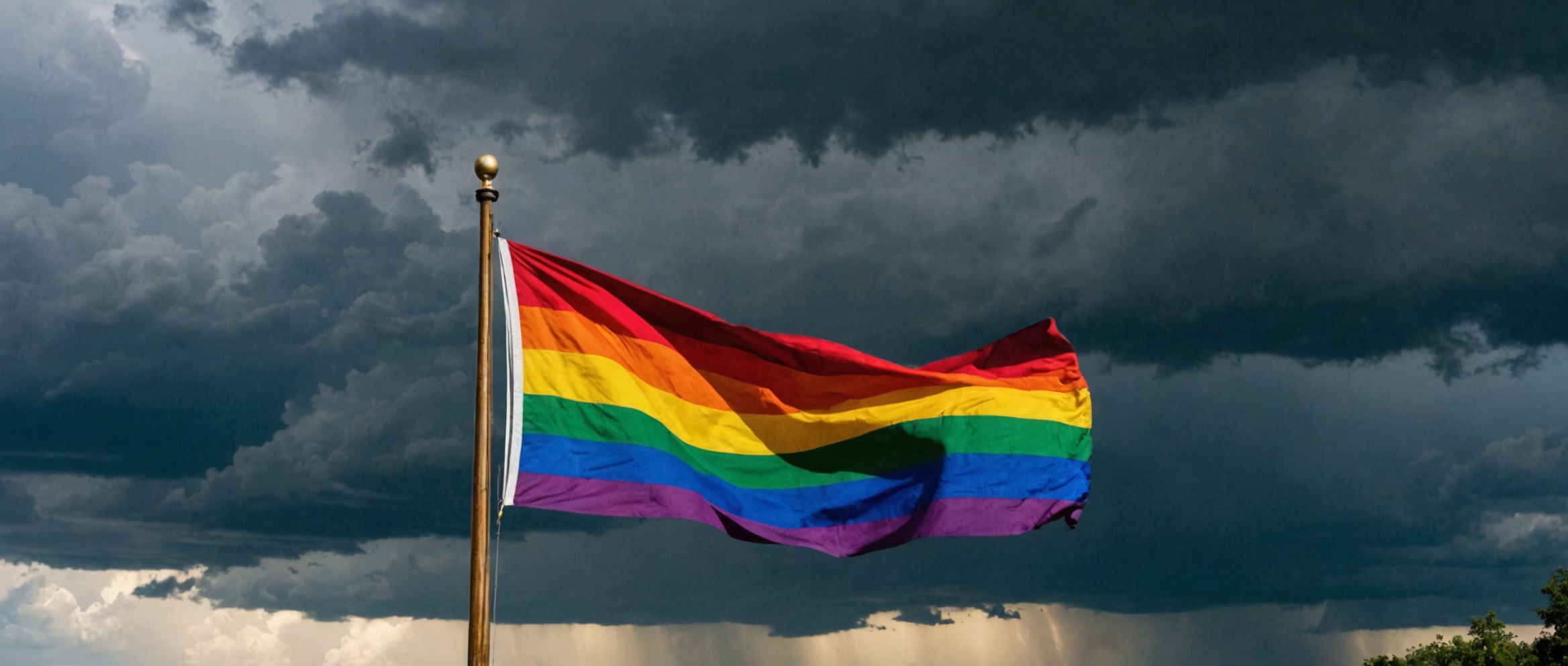
2025: A Year of Escalation for LGBTQ+ Rights
The first year of Donald Trump’s second term marked one of the most aggressive periods of federal action against LGBTQ+ people in modern U.S. history. Rather than a series of isolated policies, 2025 revealed a coordinated strategy—one that systematically dismantled protections, erased identities, and leveraged federal power to marginalize LGBTQ+ communities across healthcare, education, civil rights, culture, and public life.
While the entire community felt the impact, transgender people were overwhelmingly and deliberately targeted. From healthcare bans to data erasure to rhetoric framing trans identity as dangerous or extremist, the administration made clear that trans lives were the focal point of its agenda. At the same time, these actions laid the groundwork for broader rollbacks that threaten all LGBTQ+ people.
A Federal Campaign of Erasure
From the outset, the administration moved to redefine sex and gender at the federal level. Executive orders declared that only two sexes would be recognized by the government and revoked prior protections against discrimination based on sexual orientation and gender identity. These changes were not symbolic—they were operationalized across agencies.
LGBTQ+ and HIV-related content was removed or rewritten on federal websites. Gender identity data was stripped from surveys, limiting the government’s ability to track disparities in health, housing, and employment. References to transgender people were removed from historic landmarks and public institutions, including the Stonewall National Monument, signaling an attempt to rewrite LGBTQ+ history itself.
This erasure extended beyond language. DEI programs were dismantled across the federal government, and agencies were warned that funding could be withheld for supporting policies or initiatives deemed ideologically unacceptable.
Attacks on Healthcare and Public Health
Healthcare became one of the most consequential battlegrounds of 2025. The administration repeatedly targeted gender-affirming care, particularly for transgender youth, despite unanimous support for such care from major medical associations. Executive actions, federal investigations, and proposed funding bans created a chilling effect that led hospitals and providers across the country to roll back or eliminate services.
Beyond transgender-specific care, the year saw devastating cuts to LGBTQ+ health research. Hundreds of clinical trials were terminated, including studies focused on HIV, cancer, mental health, and suicide prevention. Global and domestic HIV prevention efforts were scaled back or defunded, reversing decades of bipartisan public health progress.
One of the most alarming decisions was the elimination of the LGBTQ+ youth option on the 988 Suicide and Crisis Lifeline, a move that directly impacted a population already at significantly higher risk for self-harm.
Education, Sports, and the Policing of Identity
Schools and universities became central targets as the administration used funding threats to enforce compliance. School districts and higher education institutions faced investigations and financial penalties for trans-inclusive policies related to bathrooms, sports participation, and student support services.
Transgender athletes were repeatedly singled out, with federal agencies intervening in local and state-level decisions and pressuring institutions to exclude trans students from sports. These actions were framed as protecting fairness, but functioned as a broader effort to legitimize discrimination under federal authority.
At the same time, LGBTQ+ books were removed from Department of Defense schools, inclusive sex education programs were defunded, and colleges were warned that acknowledging identity-based experiences could jeopardize federal funding.
Criminalization, Surveillance, and Fear
As the year progressed, rhetoric escalated into something more dangerous. Transgender people and advocates were increasingly portrayed as threats to children, public safety, and even national security. Federal agencies pursued subpoenas for private medical records of transgender youth, while hospitals and clinicians reported harassment, threats, and fear of retaliation.
Disturbingly, conservative policy circles pushed for frameworks that would associate transgender advocacy with extremism or domestic terrorism, despite no evidence of such activity. This marked a shift from policy discrimination to narrative criminalization, one with profound implications for civil liberties.
Cultural Rollbacks and Historical Revisionism
Cultural institutions were not spared. Museums, monuments, and public programs featuring LGBTQ+ history or marginalized voices were labeled objectionable or forced to revise content. LGBTQ+ representation in federal spaces was treated as ideological rather than factual, reinforcing the idea that queer and trans lives exist outside the bounds of acceptable public memory.
Internationally, the administration weakened human rights reporting by removing references to abuses against LGBTQ+ people and opposing inclusive language in global forums, signaling a retreat from long-standing U.S. commitments to equality and human rights.
Resilience in the Face of Division
As the Trump administration intensifies its focus on transgender people, it’s crucial to recognize both the immediacy of the harm and the broader implications for the entire LGBTQ+ community. History has repeatedly shown that when one part of the community is targeted, the rest are never far behind. Attempts to distance or divide only weaken collective safety and resilience.
In moments like this, the work extends beyond outrage or constant vigilance; it also requires sustainability. Taking action, staying informed, and speaking out remain vital, but so does turning some care inward—protecting emotional well-being, practicing self-compassion, and nurturing one another to avoid burnout.
Progress has never been linear, and periods of backlash have always tested the community’s endurance. Yet time and again, solidarity, mutual support, and chosen family have carried LGBTQ+ people through hostility and neglect when institutions failed them. By centering community, prioritizing care, and drawing strength from those who affirm and celebrate queer lives, the groundwork is laid not just to survive this moment but to emerge ready to rebuild and thrive once again.
And remember: every day is all we have, so you've got to make your own happiness.
For more information on this topic, listen to Episode 169. Trump Watch 2025.
Tune into your favorite podcast player every Tuesday for new episodes of A Jaded Gay.

The Ultimate Guide to Gaycations: Travel Tips, Safety, and Budget-Friendly Adventures