The Weight of Expectation: Understanding Disordered Eating Among Gay Men
Growing Up in a Culture of Comparison
For many gay men, body image is deeply tied to belonging, desirability, and social survival. In cultures saturated with diet trends, media images, and narrow beauty standards, thinness is often equated with worth. For gay boys navigating sexual identity and social comparison, the body can become the one aspect of life that feels controllable. While relationships, school dynamics, and social acceptance may feel unpredictable, food and exercise are tangible variables that can be managed, making them a focal point of control.
Media producer and podcast host Kyle Ridley has spoken openly about how these pressures accumulated over time. Raised during the height of the 1980s and 1990s diet culture, he was surrounded by crash diets and constantly shifting beauty ideals. Being perceived as the “chubby gay kid” in school compounded those pressures, layering body insecurity on top of sexual identity.
Community, Comparison, and Hidden Struggles
For many gay men, disordered eating begins where identity, intimacy, and belonging intersect. Feeling different during adolescence, whether because of body size, sexual orientation, or gender expression, can leave lasting impressions. Being the “chubby kid,” experiencing social exclusion from peer groups, or feeling like an outsider may intensify the impulse to control one’s body through food and exercise.
Coming out does not automatically resolve these feelings of otherness. Kyle Ridley reflected on his own journey, saying, “I don't really think I've embraced my sexuality, probably until my late 30s, early 40s.”
Even as men grow into adulthood, pressures continue. Many experience a tension between outward success and internal struggle. Academic honors, career achievement, and social stability can mask an all-consuming relationship with food, body image, and shame.
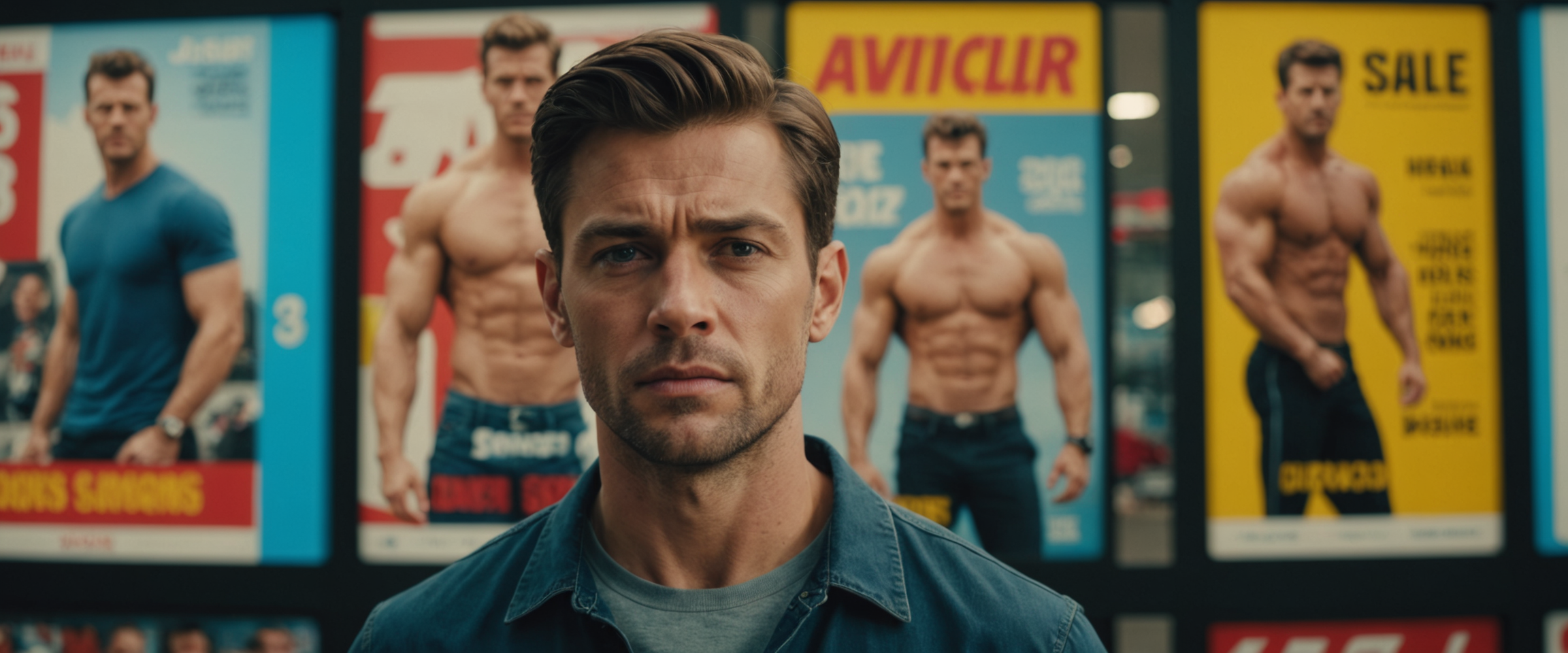
At the same time, queer spaces, where connection and community are meant to flourish, can introduce new pressures. Hyper-visible body ideals, from six-pack abs to curated dating profiles or shirtless parties, send the message that desirability must be earned. This creates a paradox: the very men we turn to for support and belonging can also become mirrors for comparison, reinforcing insecurities instead of alleviating them.
Masculinity, Shame, and the Long Shadow of Self-Rejection
Expectations of masculinity shape boys long before they can question them. Gay men may experience relentless pressure to conform to ideals of how a “real man” should move, speak, or present himself. Ridicule and policing of gender expression can instill the belief that something is inherently wrong.
Disordered eating can emerge as an attempt to correct, conceal, or compensate for perceived shortcomings. Kyle shared the depth of these pressures, noting, “I hated my voice, probably the first 30 years of my life.” Long-term self-rejection demonstrates how early messages about masculinity can have decades-long effects.
Compounding this struggle is the lack of visibility for men with eating disorders. For decades, these illnesses have been framed as a “women’s issue,” with the assumption that men who struggle with this must be gay. However, men of all sexual orientations, body types, and backgrounds experience disordered eating. Behaviors such as extreme dieting, muscle-building, or focus on leanness may be socially rewarded in heterosexual or queer spaces, masking underlying distress.
Another myth is that eating disorders are always visible; restriction, bingeing, purging, or compulsive exercise can occur in men who appear outwardly healthy. Kyle observed, “It’s just a taboo subject.” Challenging these myths is essential for dismantling stigma, making support accessible, and creating space for men to confront shame without judgment.
Body Positivity, GLP-1 Medications, and New Pressures
Cultural shifts in body positivity have challenged narrow ideals and celebrated a wider range of sizes. For many gay men, this offered relief from decades of strict expectations. Yet new pressures have emerged with GLP-1 medications for weight loss. While medically necessary for some, the visibility of these drugs in social media and celebrity culture may contribute to renewed focus on thinness.
Kyle described this concern, noting, “I think right now we’re in a scary downfall where GLP-1s and celebrities are back to being rail-thin.” For gay men navigating amplified scrutiny, this shift can intensify comparison and reignite old vulnerabilities. Celebrating health must not become shorthand for glorifying smaller bodies at any cost.
Recovery and the Role of Community
Seeking help is complicated by stigma around mental health and masculinity. Vulnerability is often seen as weakness, leaving disordered eating hidden beneath success or social charisma. Kyle reflected, “When you are living in secret, you’re kind of living in shame.”
Recovery often begins when struggles are brought into the open through therapists, support groups, or trusted friends. Treatment may involve therapy, nutritional counseling, and confronting underlying drivers such as trauma, perfectionism, or internalized homophobia. Community is a powerful protective factor. Organizations such as ANAD and the National Eating Disorders Association provide resources and support tailored to men and LGBTQ+ individuals. Healing gains momentum in connection, replacing secrecy with solidarity.
Redefining Strength and Reclaiming Worth
For decades, gay men have inherited narrow body ideals intensified within queer spaces, but worth is not tied to appearance. Confidence, health, and self-respect are defined by self-acceptance, openness, and community. True strength emerges from confronting shame and allowing ourselves to be vulnerable.
Navigating disordered eating requires challenging stigma, creating visible dialogue, and cultivating supportive environments. The path forward is not about achieving perfection, but building a culture where gay men can inhabit their bodies without apology, grounded in self-awareness, self-respect, and the capacity to support one another.
And remember: every day is all we have, so you've got to make your own happiness.
For more information on this topic, listen to Episode 176. Navigating Disordered Eating Among Gay Men (with Kyle Ridley).
Tune into your favorite podcast player every Tuesday for new episodes of A Jaded Gay.
The LGBTQ+ Homeownership Guide: Finding Your Affirming Safe Haven