Stages of Identity: How Drag Shapes Expression, Culture, and Community
Queer Identity and the Art of Drag
Drag has long been a dynamic form of queer expression, offering performers a space to explore, celebrate, and challenge traditional notions of gender, artistry, and selfhood. Beyond sequins and stage lights, drag allows individuals to craft personas that reflect both personal authenticity and creative vision. Humor, glamour, camp, and vulnerability coexist within this space, often inviting audiences to reconsider assumptions about gender and performance. While mainstream shows like RuPaul’s Drag Race have introduced wider audiences to drag, local drag communities remain essential for fostering personal growth, creativity, and connection.
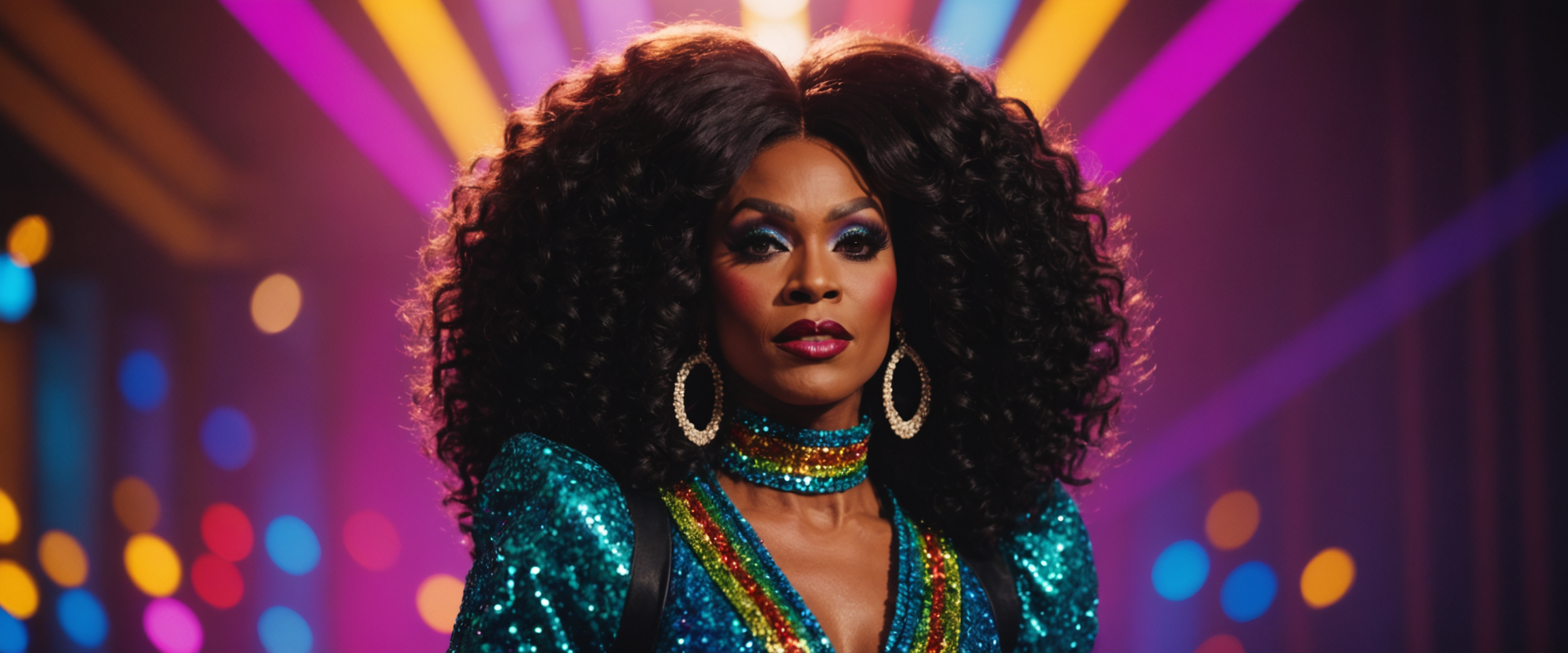
Heavens 2 Betsy Stratton, Miss Gay Pennsylvania America 2025, exemplifies how drag can evolve from curiosity into a profound artistic journey. Introduced to drag through her husband’s encouragement, she began performing on a whim and gradually developed a persona that celebrates camp, emotional storytelling, and playful self-expression. Her experience demonstrates that drag is not simply about following trends or performing for recognition—it is a practice of finding joy, embracing individuality, and asserting a fully authentic queer identity.
Drag, Queer Identity, and Cultural Icons
Drag offers a space where performance, humor, and persona come together to explore identity and celebrate individuality. Cultural touchstones—especially television, pop culture, and larger-than-life characters—often serve as entry points for storytelling onstage, allowing performers to connect personal expression with shared queer memory. These references resonate because they evoke nostalgia, chosen family, and survival through wit, themes that have long mirrored queer lived experiences.
Few shows embody this connection more clearly than The Golden Girls, which has remained a beloved touchstone within LGBTQ+ culture. Its emphasis on friendship, resilience, and living unapologetically continues to resonate with queer audiences and drag performers alike. For Heavens 2 Betsy, drawing inspiration from Dorothy Zbornak was a natural extension of those themes.
"Dorothy…is strong-willed. She knows what she wants…She’s quick-tongued, and she is quick to be sarcastic, which I love," she says. By channeling Dorothy’s sharp humor and emotional honesty, Betsy transforms familiar television moments into drag performances that feel both playful and deeply personal.
Through references like The Golden Girls, drag becomes more than homage or parody. It serves as a vehicle for expressing identity, honoring queer cultural lineage, and reinforcing the idea that authenticity, humor, and chosen family are not just performance elements, but enduring pillars of queer life.
The Roots of Drag and Its Role in Queer Identity
Drag is historically intertwined with Black and Latinx queer culture, with ballroom scenes serving as one of its most vital foundations. Within these spaces, drag was not only a performance style but a means of survival, self-definition, and resistance. Competitive balls, dating back to the 1800s, celebrated gender expression, costume, movement, and theatricality, allowing performers to step into fully realized personas. These celebrations fostered chosen families and communal bonds, offering visibility, empowerment, and belonging to those marginalized by mainstream society.
That legacy continues to shape how contemporary performers approach drag and visibility. For many performers, identity and artistry are inseparable. "In drag, showing up as a Black person, in oftentimes predominantly white spaces or non-Black spaces, is really important to me, because diversity and representation, in my opinion, matters," says Betsy.
That commitment to visibility shapes the substance of her work. Betsy frequently incorporates spoken word poetry that centers Black experiences, particularly those of Black women, exploring empowerment, frustration, and resilience. These performances function as both artistic expression and social commentary, drawing attention to perspectives often overlooked in mainstream drag.
Drag also honors and draws inspiration from Black queer icons. Influences like Hot Chocolate, the first Black Miss Gay America and celebrated Tina Turner impersonator, and Billy Porter, who champions Black queer visibility and HIV awareness, demonstrate how drag connects personal and collective representation.
Amplifying Black Voices Through Drag
Drag offers a powerful platform for visibility, storytelling, and advocacy. For Black queer performers, representation remains a vital conversation.
"Just being present…showing up in spaces, and not just in spaces with other Black queer people, but spaces where they're not represented,” says Betsy.
Visibility in diverse spaces, from drag shows to professional environments, can challenge systemic inequities and expand opportunities. Many performers center their artistry on the lived experiences of their communities. Through spoken word and performance, Heavens 2 Betsy reflects the Black and queer experience, honoring heritage while educating audiences and fostering respect for marginalized stories.
Embracing Authenticity Through Drag and Community
Queer identity and drag invite individuals to explore and celebrate their authentic selves, encouraging a freedom to experience joy and express individuality. This exploration is not solely personal—it thrives within a community that uplifts, affirms, and supports one another.
By creating spaces where everyone can be seen, whether at a drag show, a ballroom event, or simply sharing time with chosen family, the LGBTQ+ community fosters both safety and self-expression. Honoring each person’s identity and coming together to celebrate diversity helps guide individuals toward living more authentically and intuitively, ultimately reinforcing the shared responsibility to nurture queer joy, creativity, and belonging.
And remember: every day is all we have, so you've got to make your own happiness.
For more information on this topic, listen to Episode 172. Picture It: Ballroom, Drag, and Queer Expression (with Heavens 2 Betsy Stratton).
Tune into your favorite podcast player every Tuesday for new episodes of A Jaded Gay.

The LGBTQ+ Homeownership Guide: Finding Your Affirming Safe Haven